

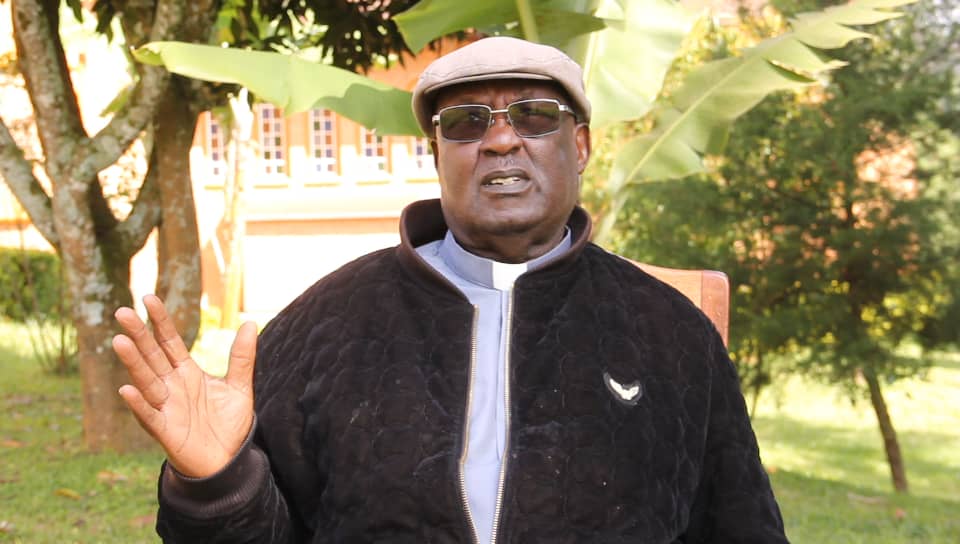
The outspoken cleric, Gaetano Batanyenda, has said that the recently concluded 2026 general elections were neither free nor fair.
The elections began on January 15, 2026, when voters turned up at polling stations across the country to cast their ballots in presidential, parliamentary and local government races.
In a one-on-one interview with Nile Post, Fr. Batanyenda described the electoral process as chaotic and disorganised. He also raised concerns about the whereabouts of Robert Kyagulanyi, the president of the National Unity Platform (NUP), following the elections.
“Now for example, one of the presidential candidates Robert Kyagulanyi has not been seen after elections. Where is he now? Is he dead and buried in the lake or is he on the mountain somewhere?” Fr. Batanyenda questioned.
The priest acknowledged the efforts of the Electoral Commission in attempting to organise the polls. However, he faulted the commission over the reported failure of Biometric Voter Verification (BVVK) machines, particularly during the presidential and parliamentary elections.
“Why did we have machines failing to work during presidential elections, yet they were working in other elections like for local government?” Fr. Batanyenda asked.
He argued that such technical challenges undermined public confidence in the credibility of the process and called for greater transparency and accountability in future elections.
The Electoral Commission has previously maintained that it put in place measures to ensure a smooth voting process, though concerns over logistics and technology have periodically emerged during past electoral cycles.
Fr Gaetano, known for his outspoken views on governance and accountability, said the country must reflect deeply on the conduct of the 2026 polls to safeguard democratic principles going forward.
